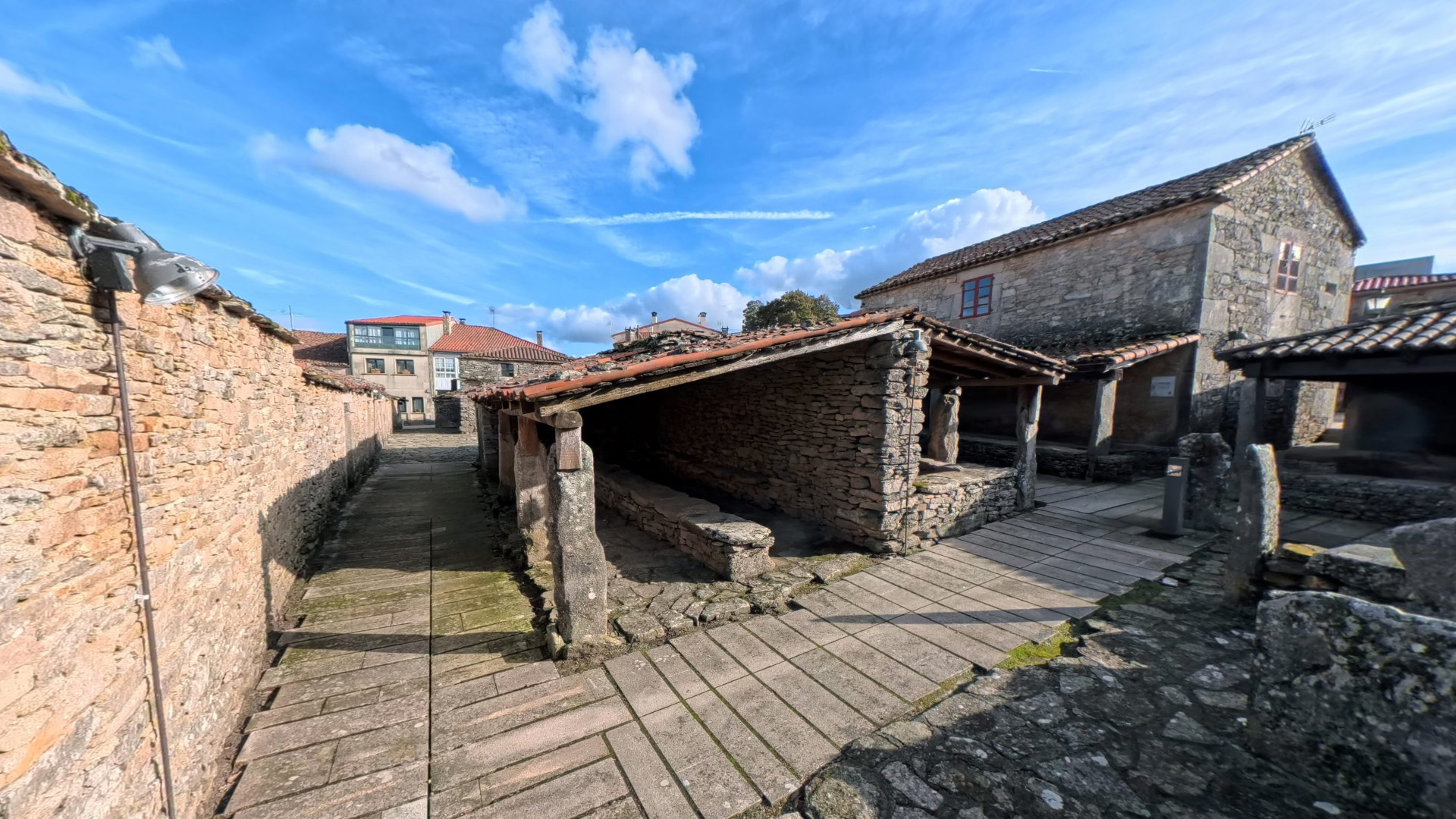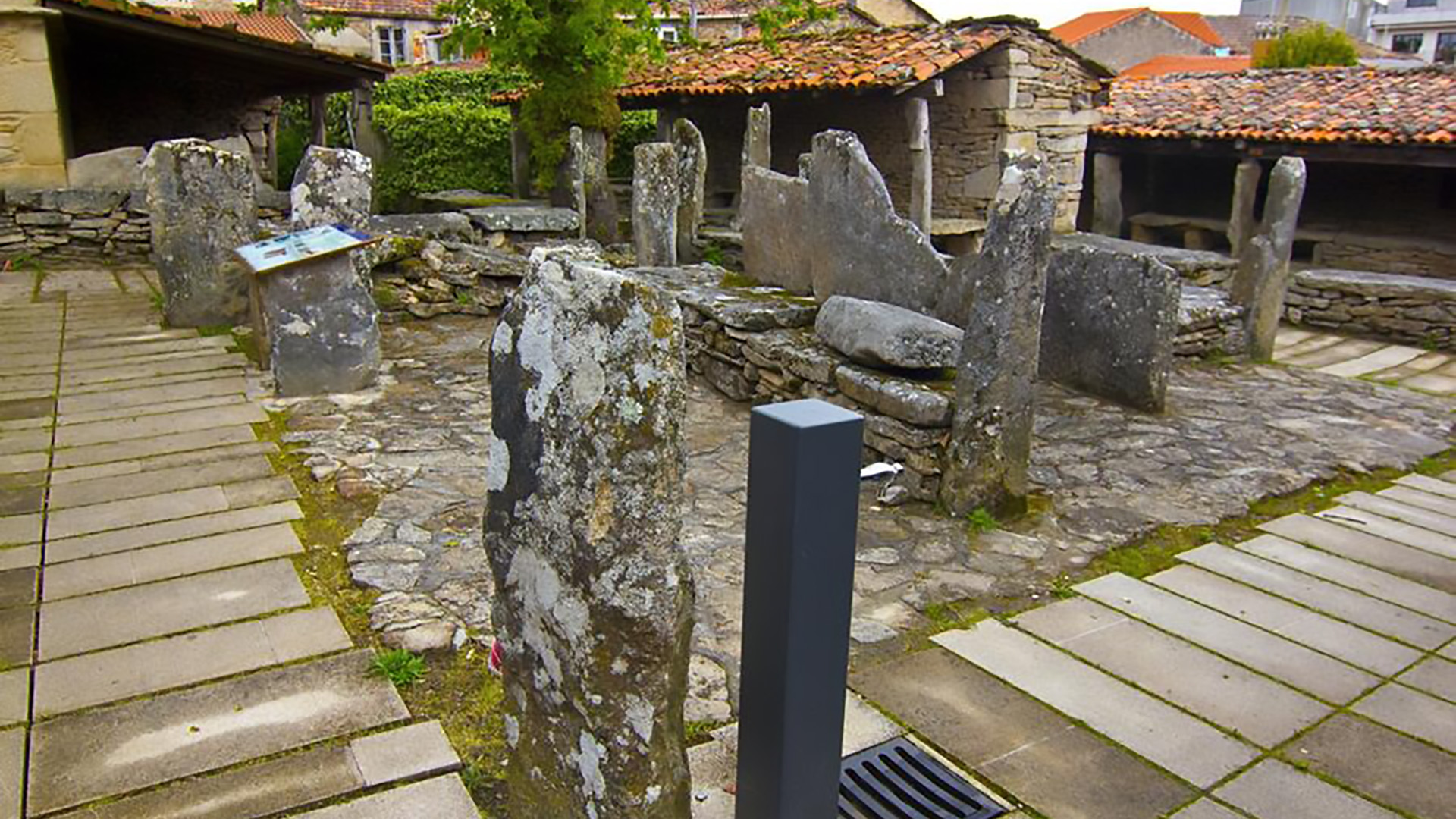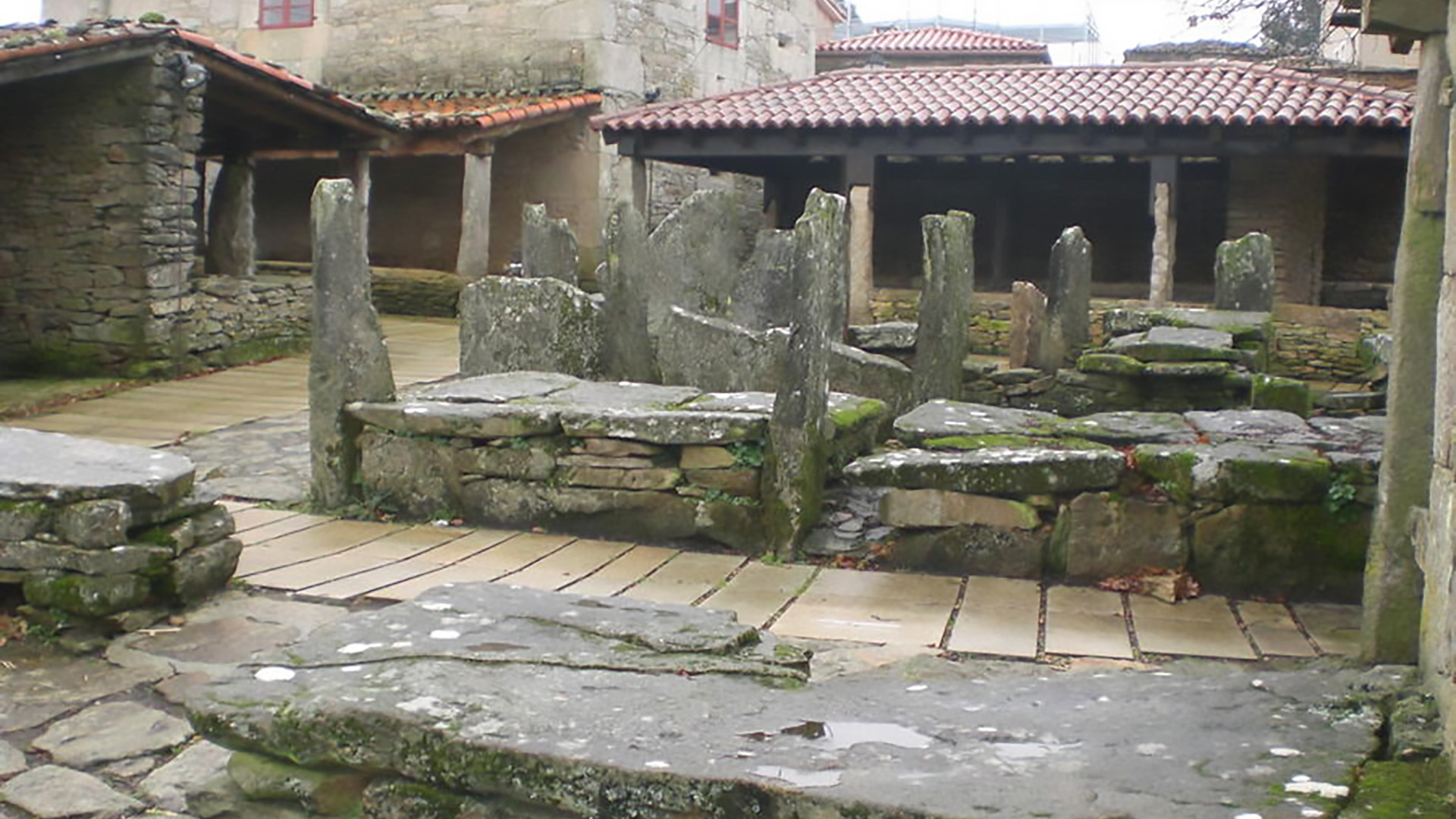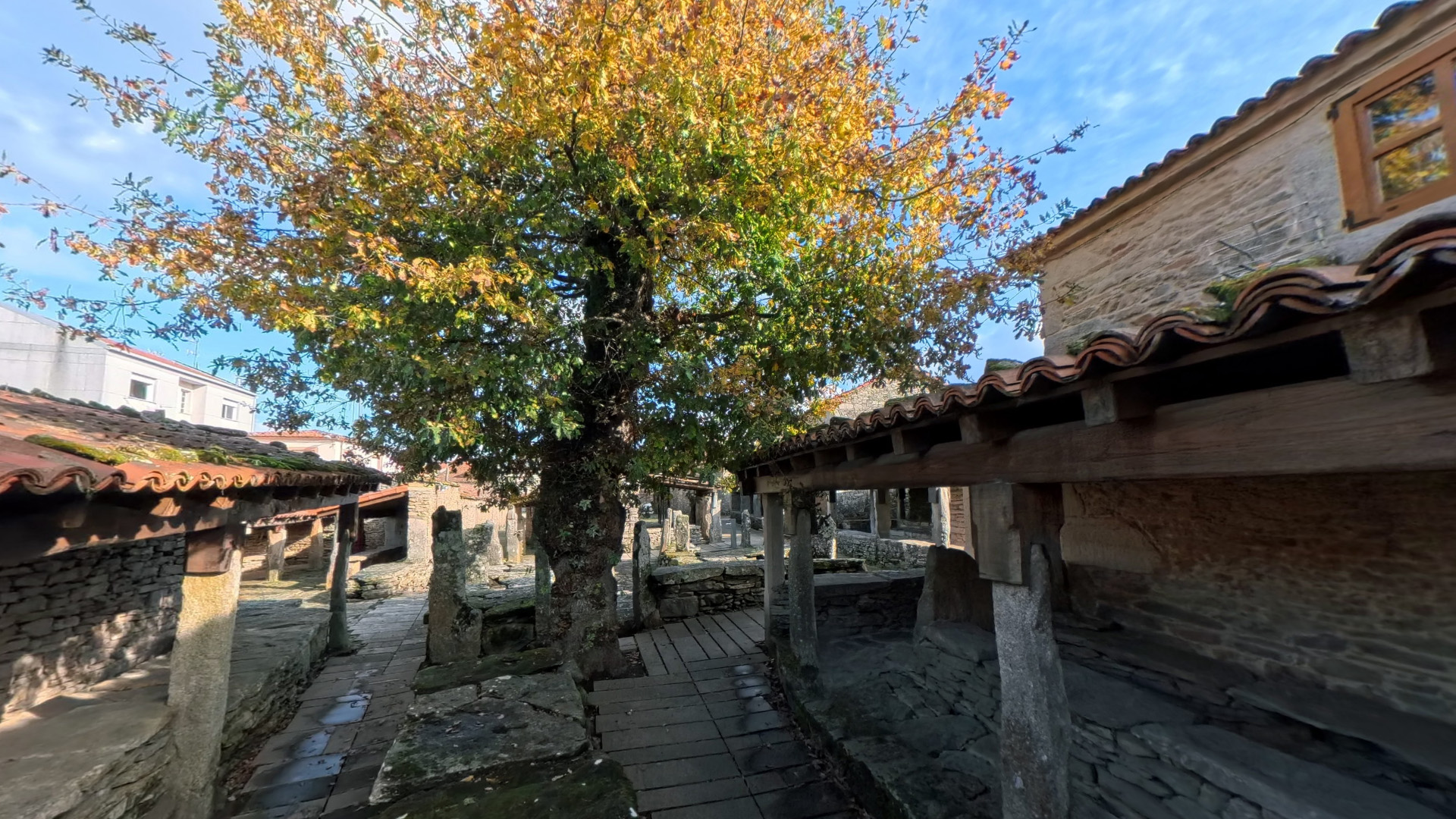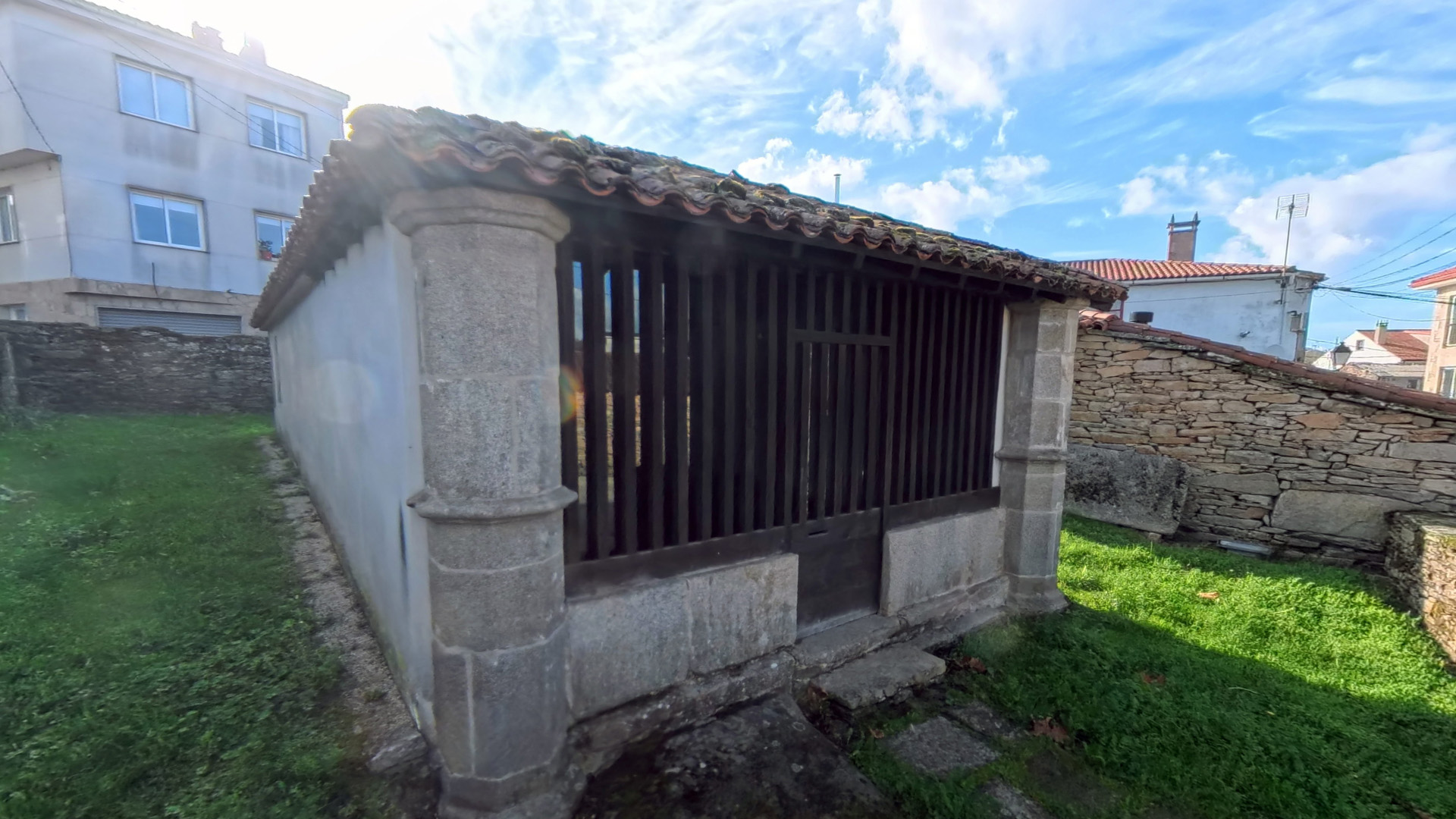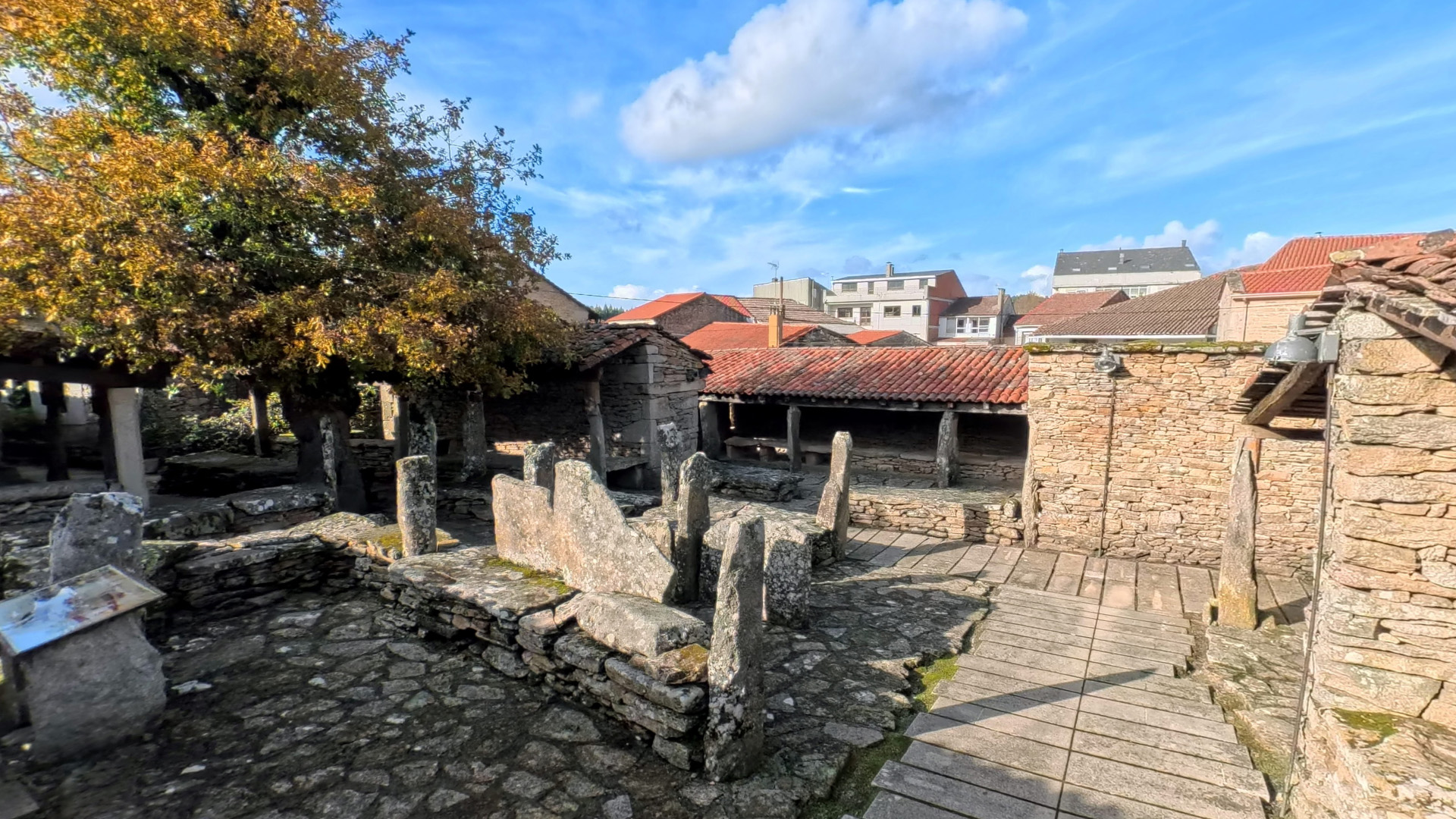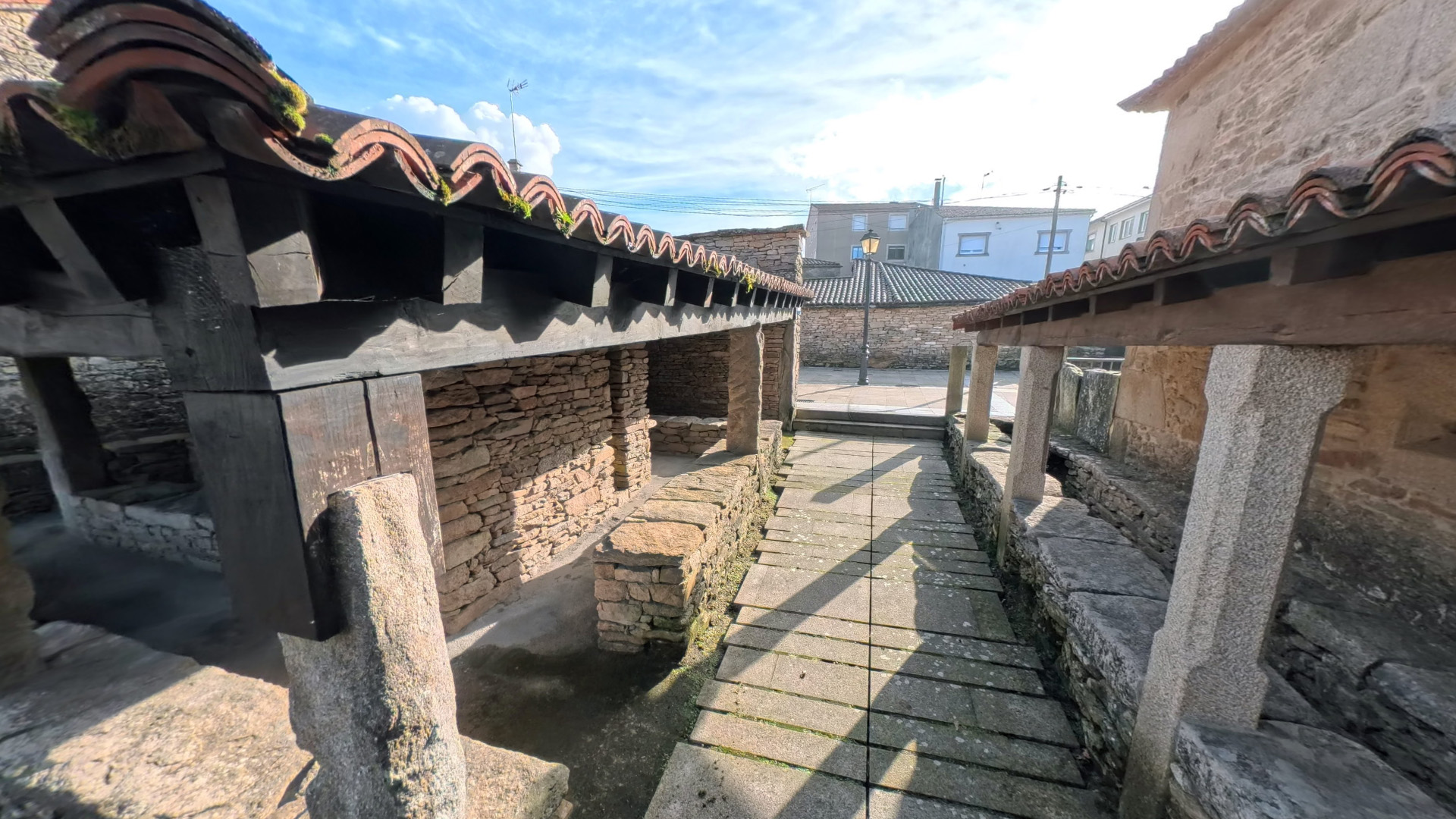




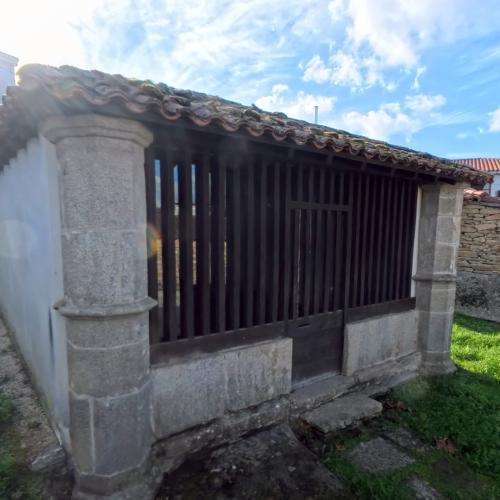
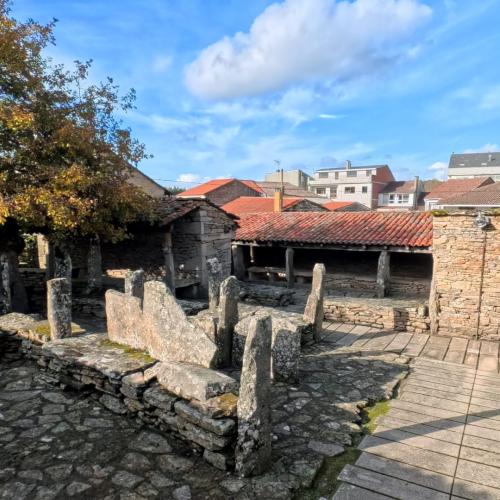

The Pendellos of Agolada constitute one of the most distinctive ethnographic complexes in Galicia and a valuable testimony to rural and commercial life in the 18th century. This space was conceived as a large open-air market where the social ritual of the fair took place: barter, buying and selling goods, conversations, bargaining and agreements sealed with a handshake, together with the community life that revolved around exchange. In this setting, social gatherings also took place, news was shared and, of course, the traditional pulpo á feira was enjoyed—an inseparable element of Galician fairs.
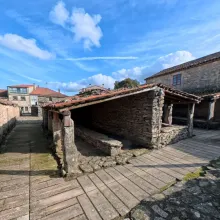
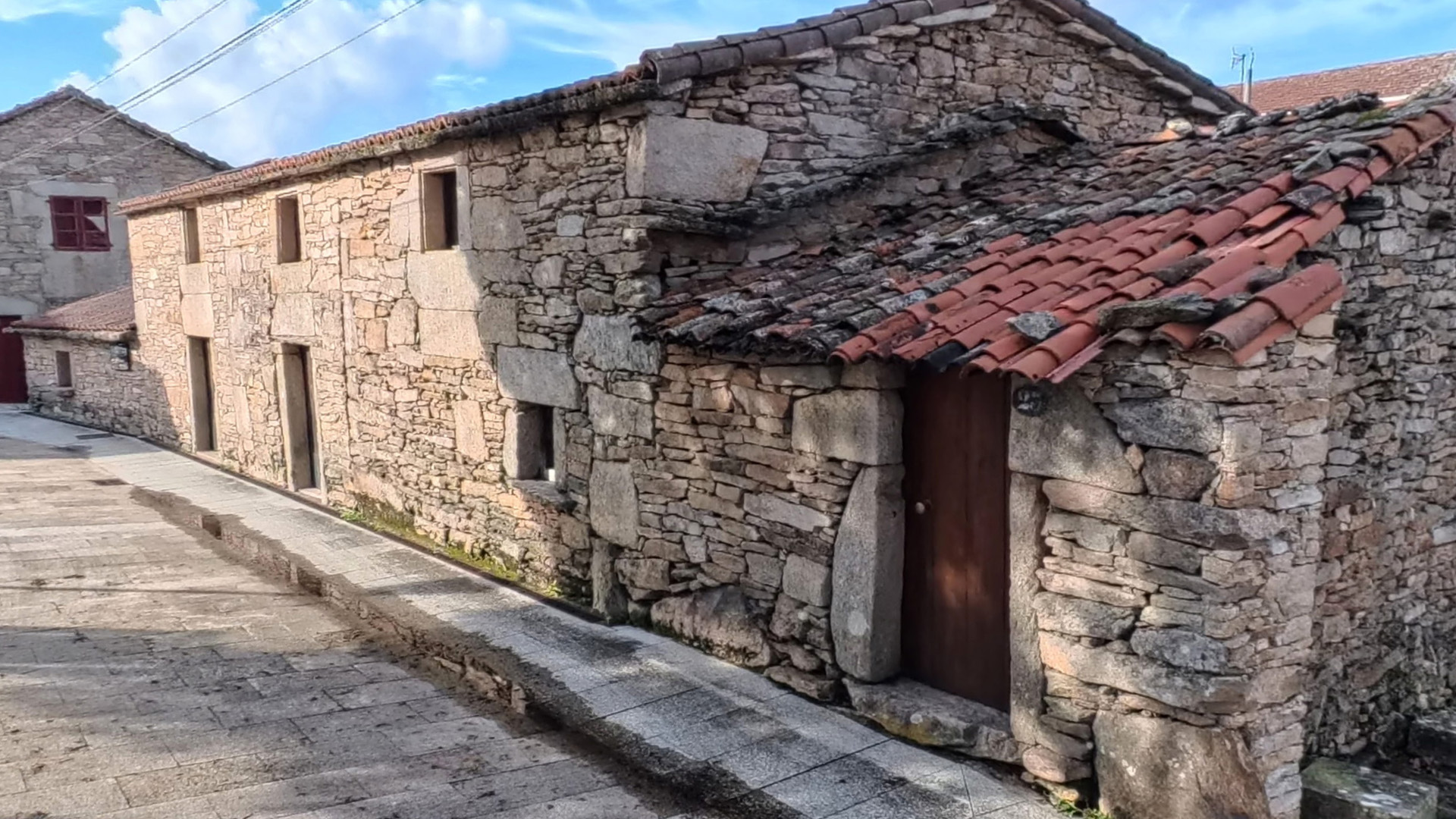
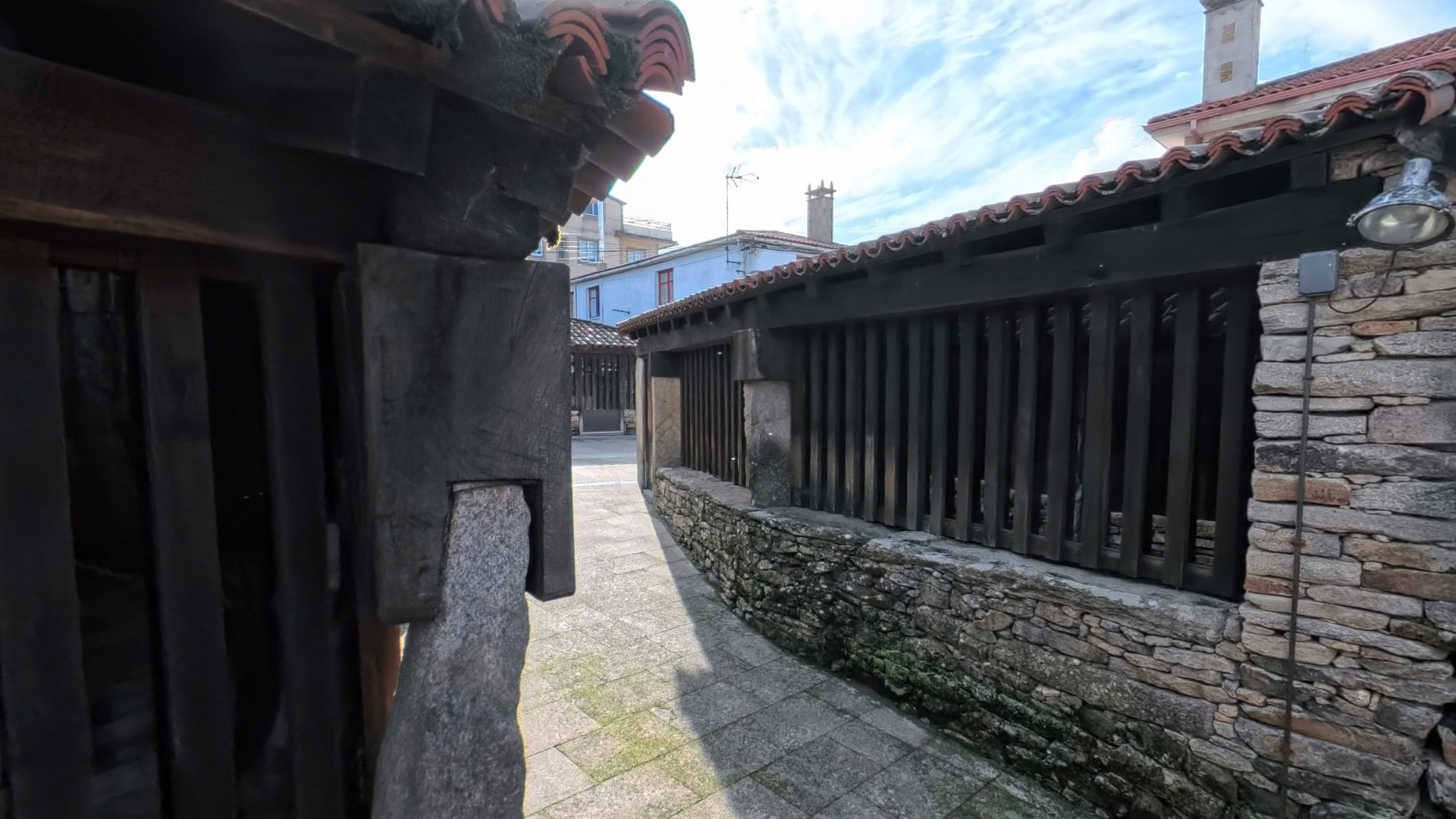
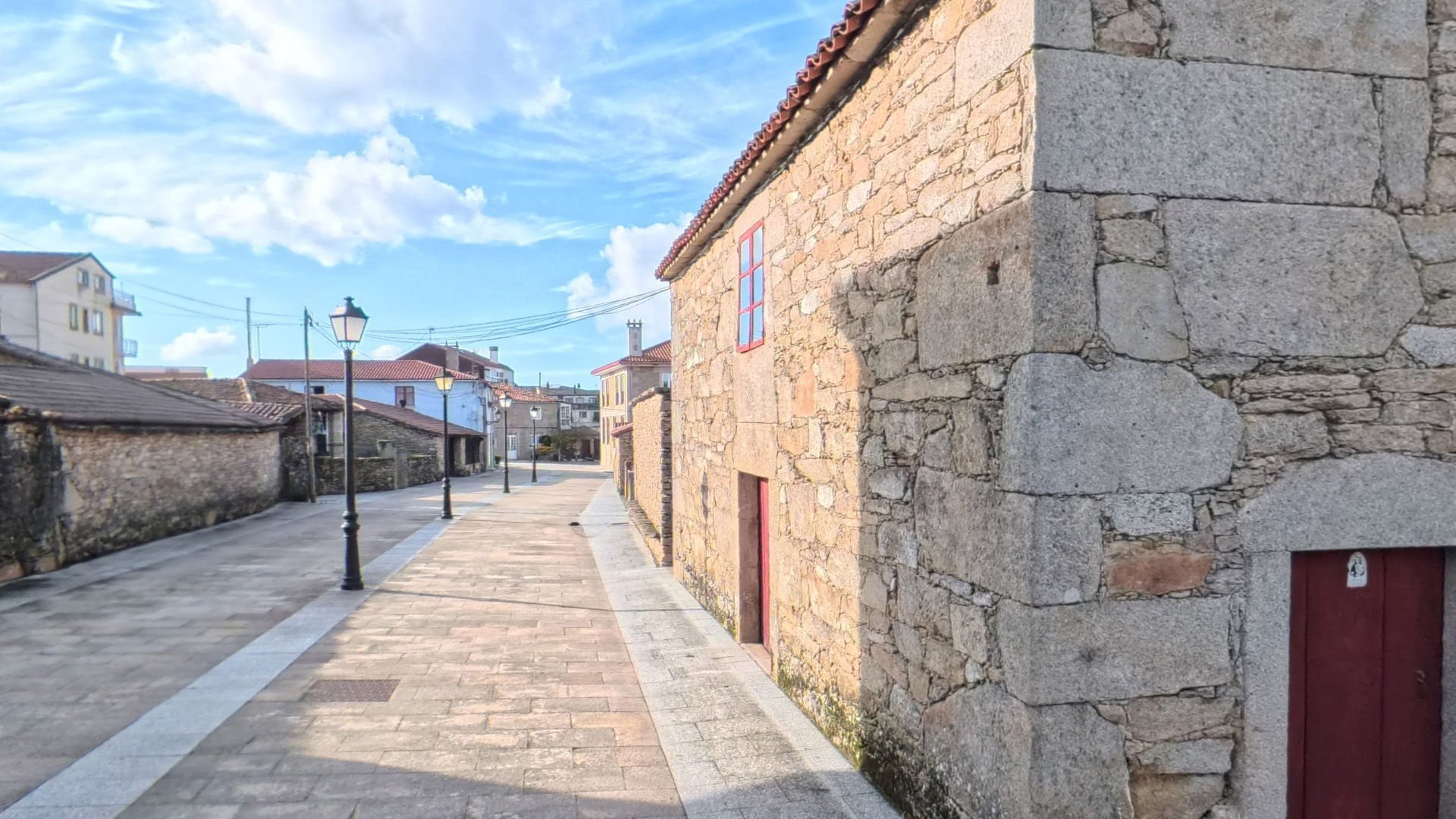
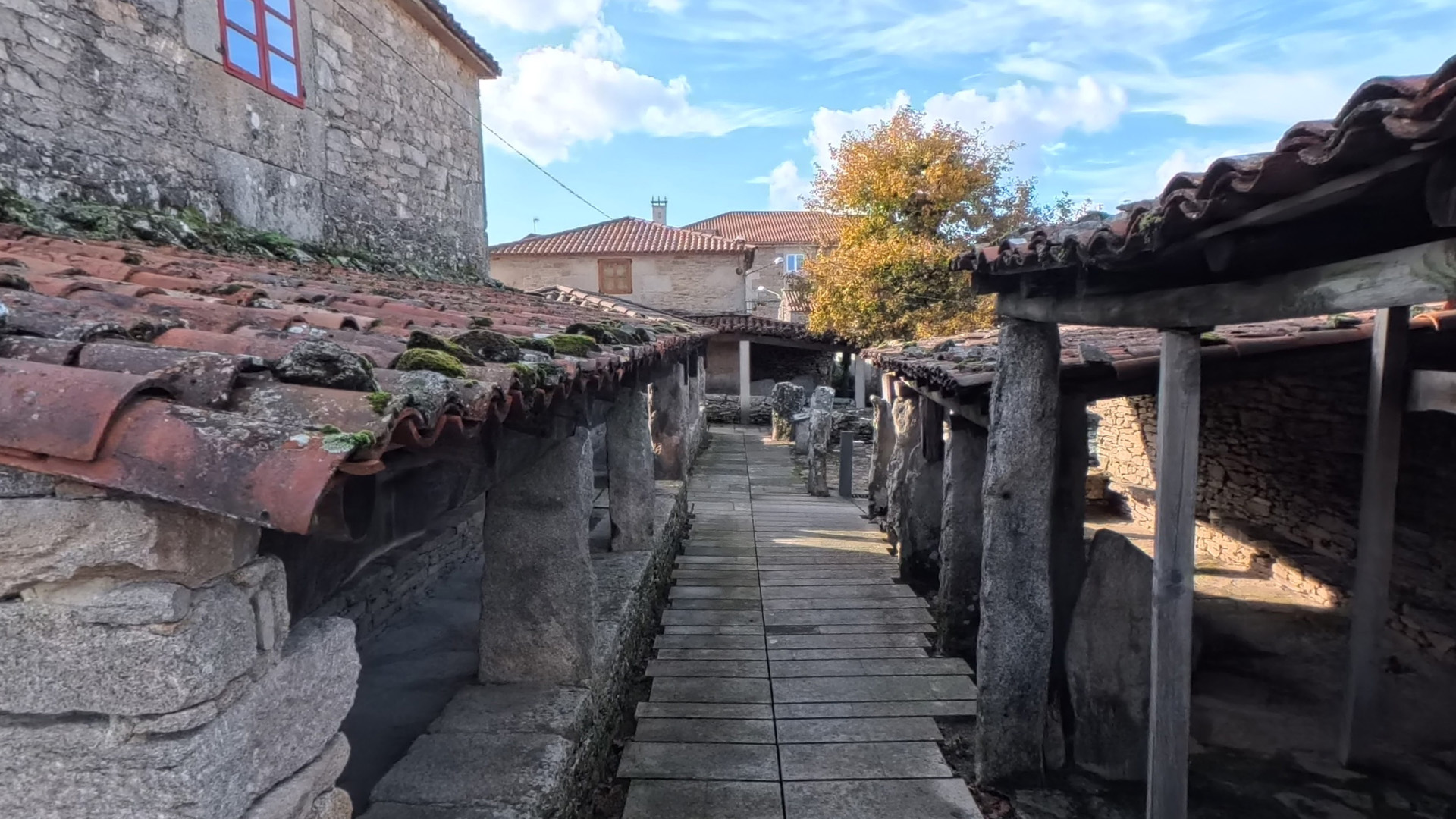
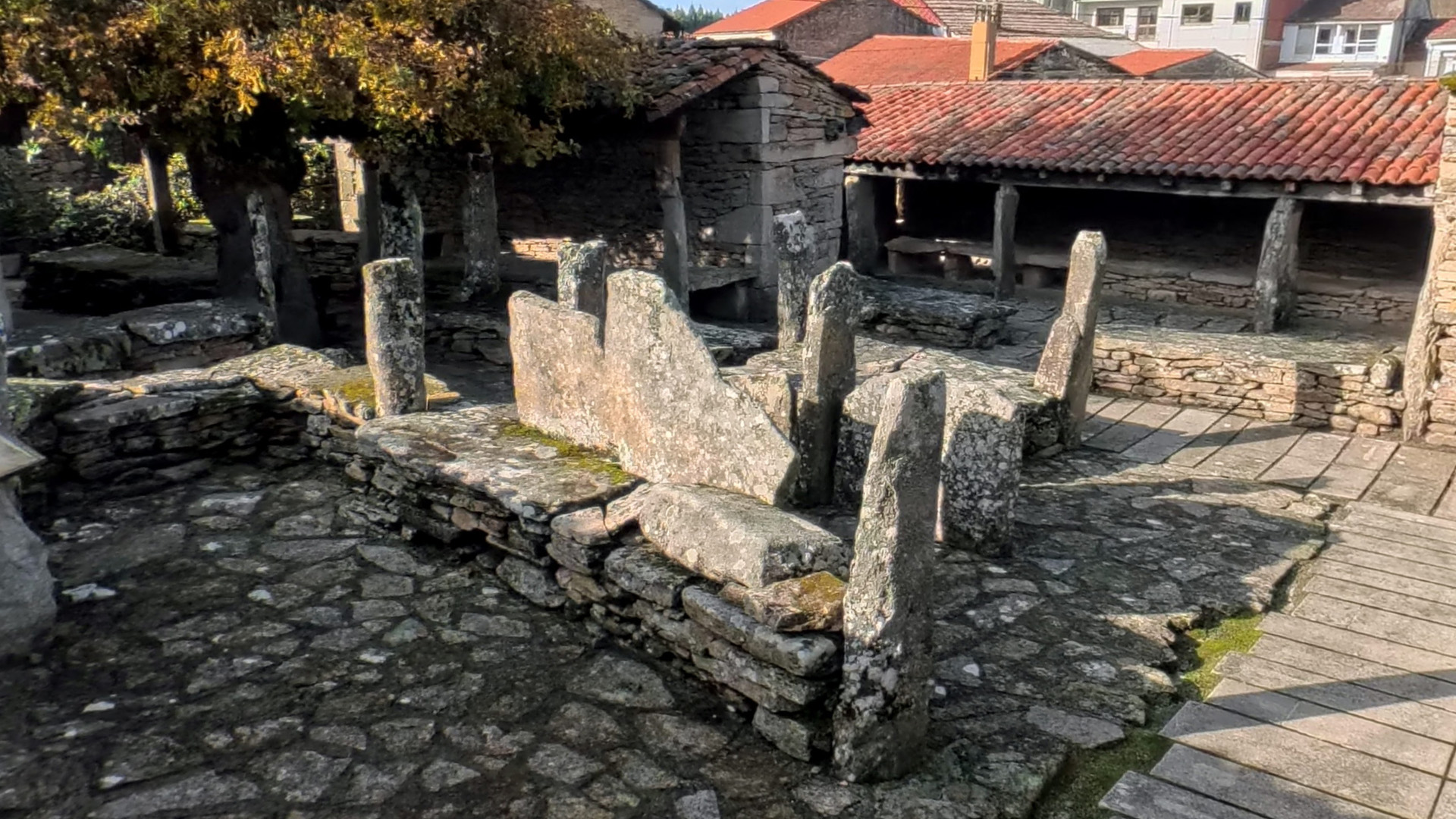
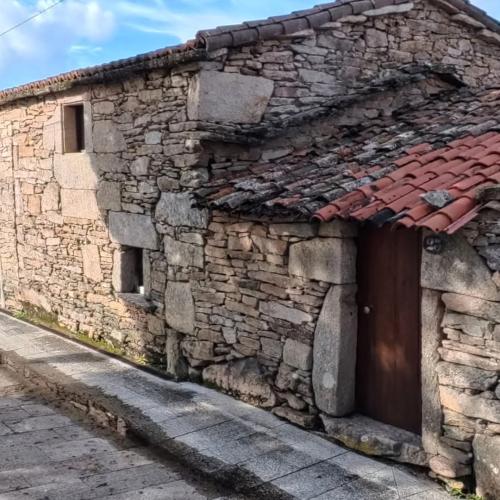
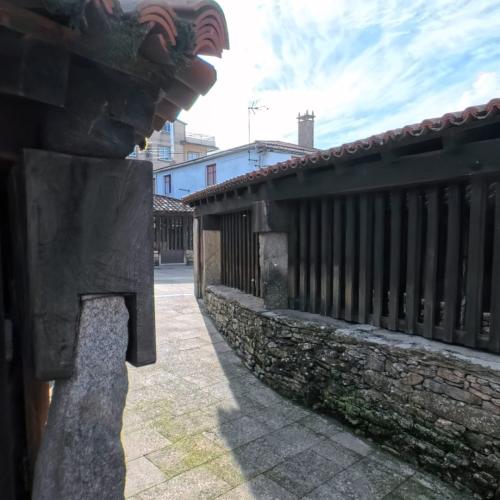
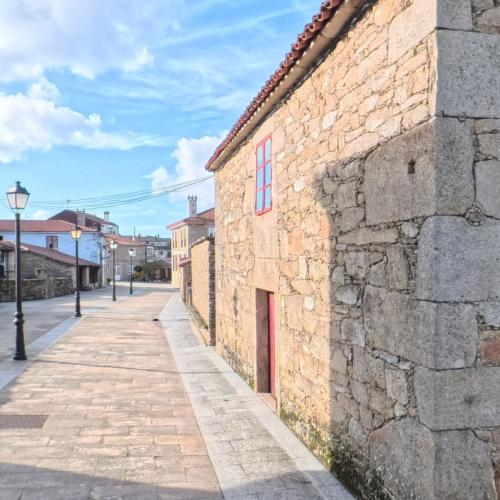
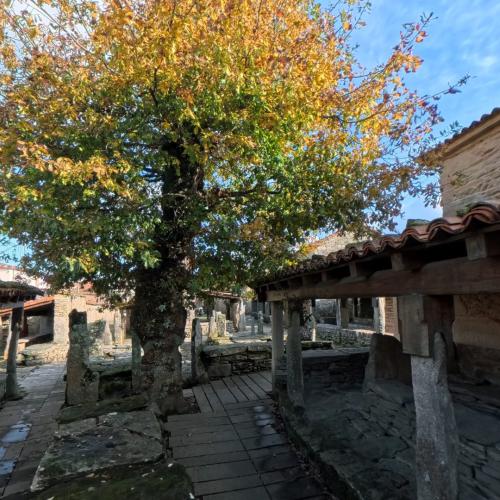
The buildings that make up Os Pendellos are essentially functional, constructed with a simple and efficient architecture without superfluous ornamentation. They consist of stone sheds and small structures built in granite masonry, with wooden roofs covered with tiles, designed to protect vendors and goods during market days. The complex is organised into narrow streets flanked by these structures, which include stone counters and continuous benches that facilitate the display of products and direct interaction between sellers and buyers.
After decades of abandonment and the risk of disappearance in the 1970s, the complex underwent an important restoration and recovery process that allowed its original structure to be preserved. Today, walking through the streets of Os Pendellos is like travelling back in time, imagining the bustle, exchanges and social life that characterised traditional Galician fairs.
This space therefore stands as a privileged place where visitors can understand the economic, social and cultural history of Agolada and of rural Galicia.