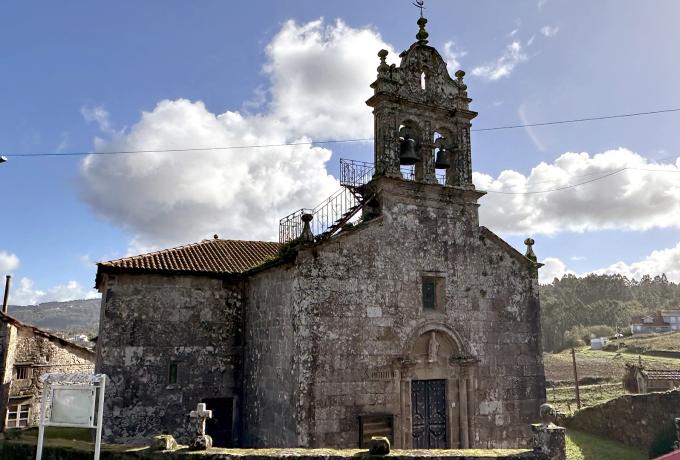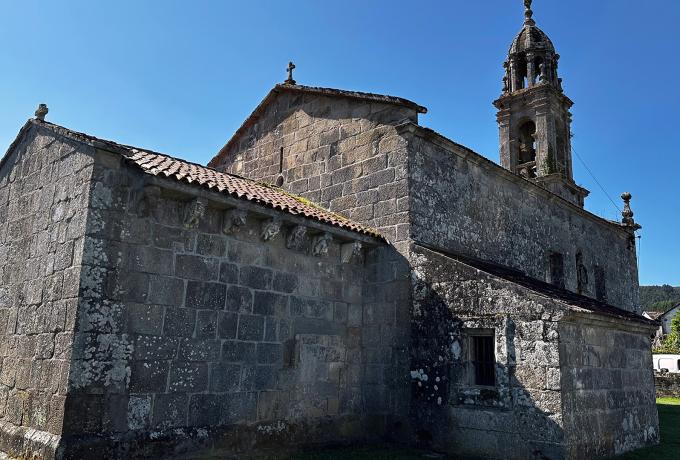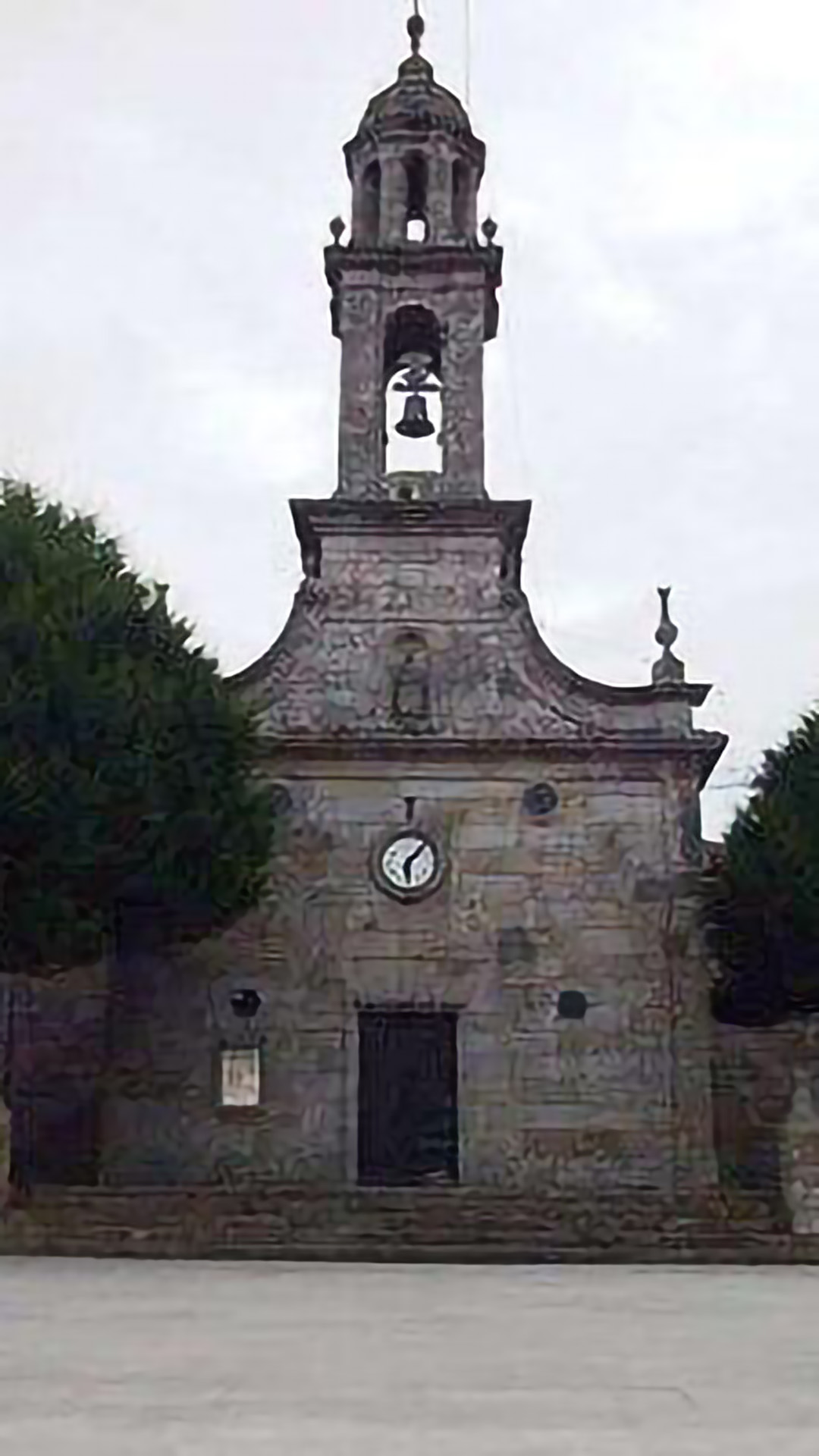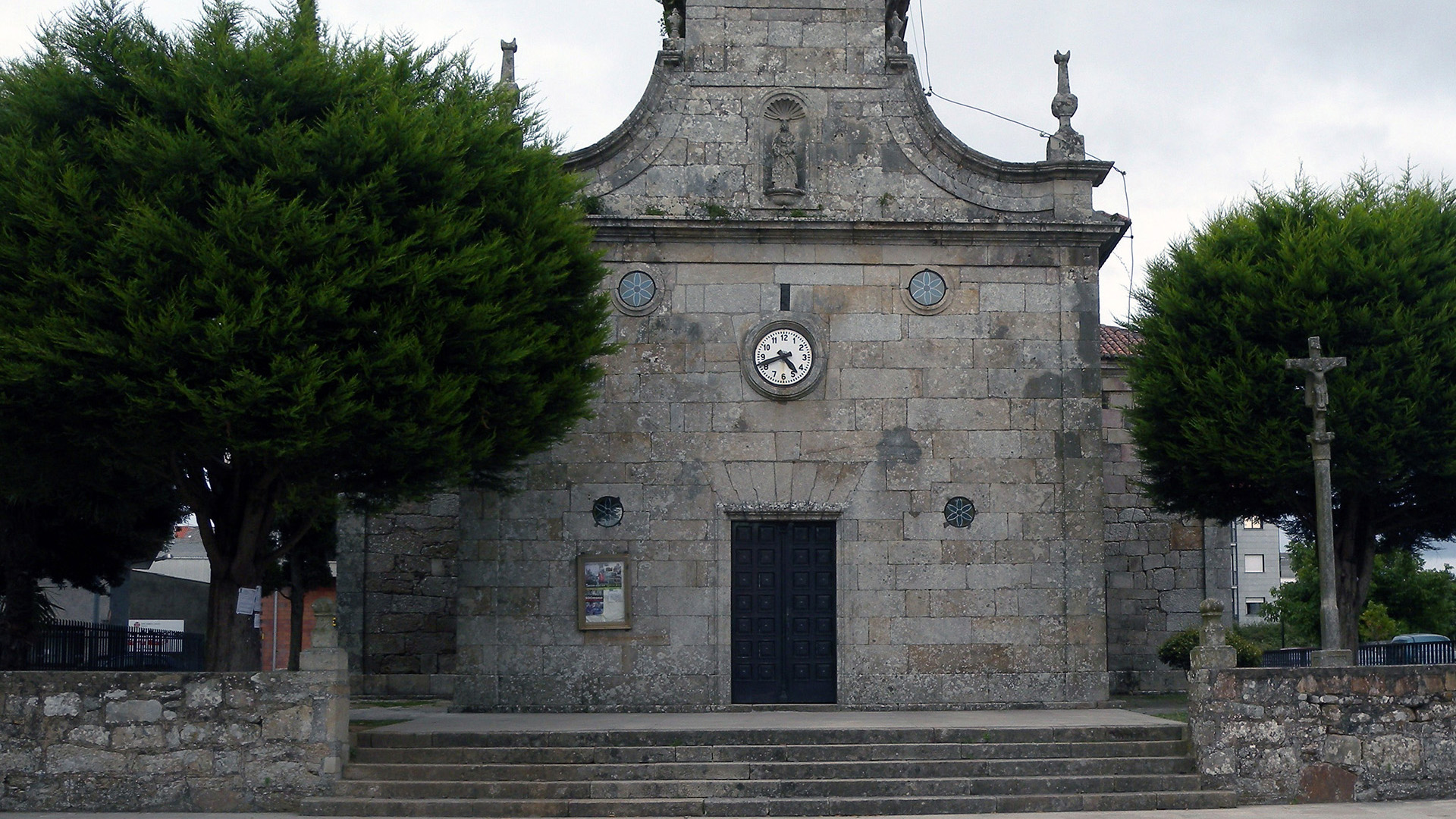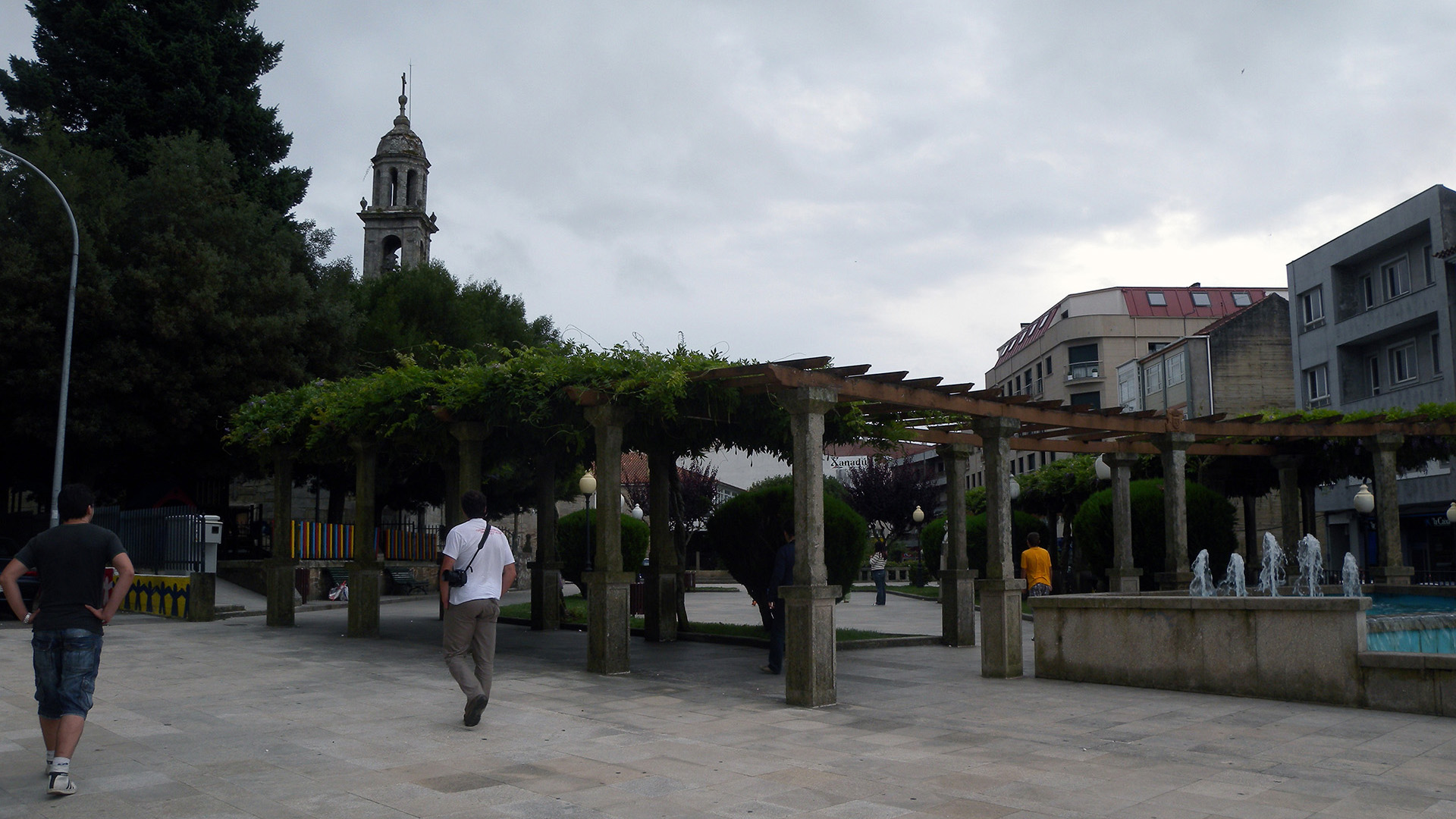
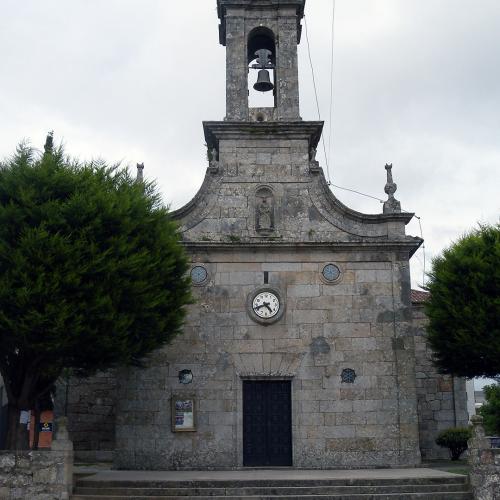
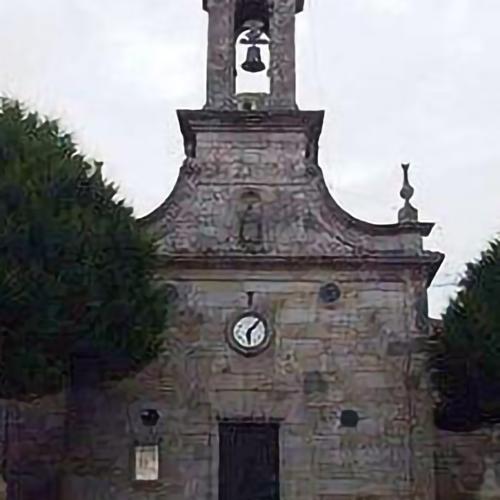


The church of Santa Eulalia, also known as Baia de Silleda, is a temple with very ancient origins, already existing before the year 1000. The first documentary reference dates from 998, when it appears as Ecclesia Sanctae Eulaliae de Exilieta in a donation to Bishop Pelayo of Lugo. It is later mentioned again in 1199 and in the will of Teresa Sánchez de Gres, dated 1395, confirming the historical continuity of this parish, whose name evolved from Exilieta and Selleda to its current designation.
The current building was constructed in 1854 on the site of earlier structures, replacing older temples, including a Romanesque one that had in turn replaced the original early medieval building. It has a Latin cross plan, with a main nave larger than the apses. Its construction was promoted by the parish priest Juan Antonio Fernández and largely financed by local residents. The works were completed in just a few months, and the church was consecrated in December 1854.
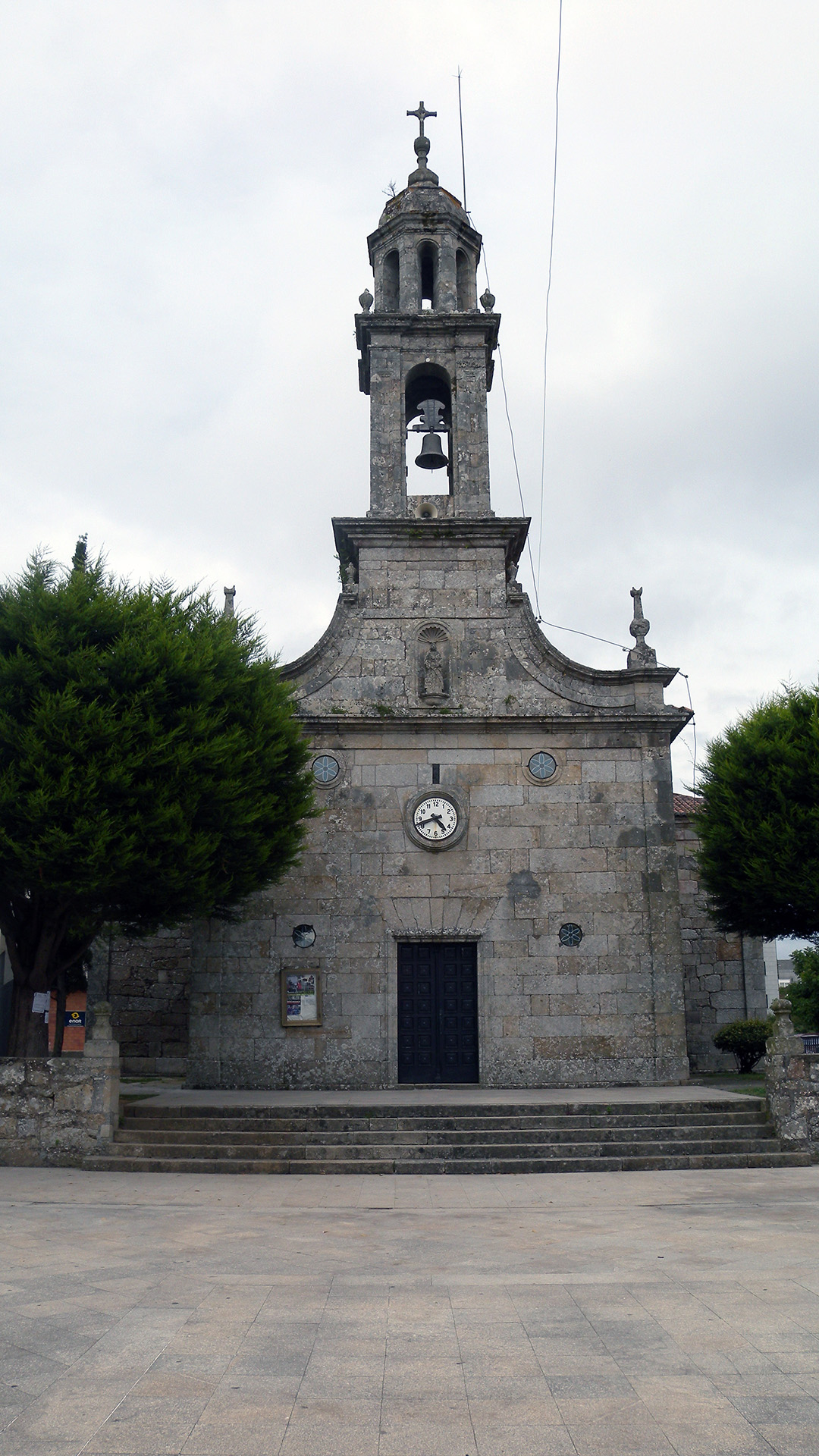
On the main façade, the figure of San Salvador stands out, depicted holding fishing gear in his right hand, accompanied by a clock and two small stained-glass rosettes. The church, with the sober lines typical of late Neoclassicism, is located at the highest point of the town, serving as both a visual and spiritual landmark for the parish.
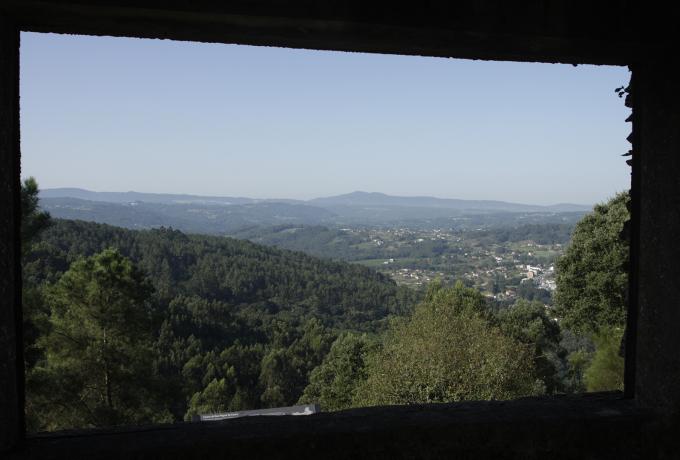
Over time, it has maintained its central role in the religious life of Silleda, preserving devotion to its patron saint, Santa Eulalia, and reflecting the deep connection between the parish, its history, and the surrounding landscape.